Sweet & Sassy Scribblers
​
  • Genres
  • Fiction
    • Books for Children
    • Fantasy
    • Thrillers
    • Mysteries
    • Women's Fiction
    • Science Fiction
  • Nonfiction
    • Well-being
    • Spiritual Psychology
    • Poems, Essays, Etc.
  • Heart Song Ghostwriting
  • MindSlap! - Spiritual Psychology
  • Let's Get Our Hands Dirty
  • The Scribblers

The Roadside is not a Trash Can!

2/23/2024

0 Comments

 
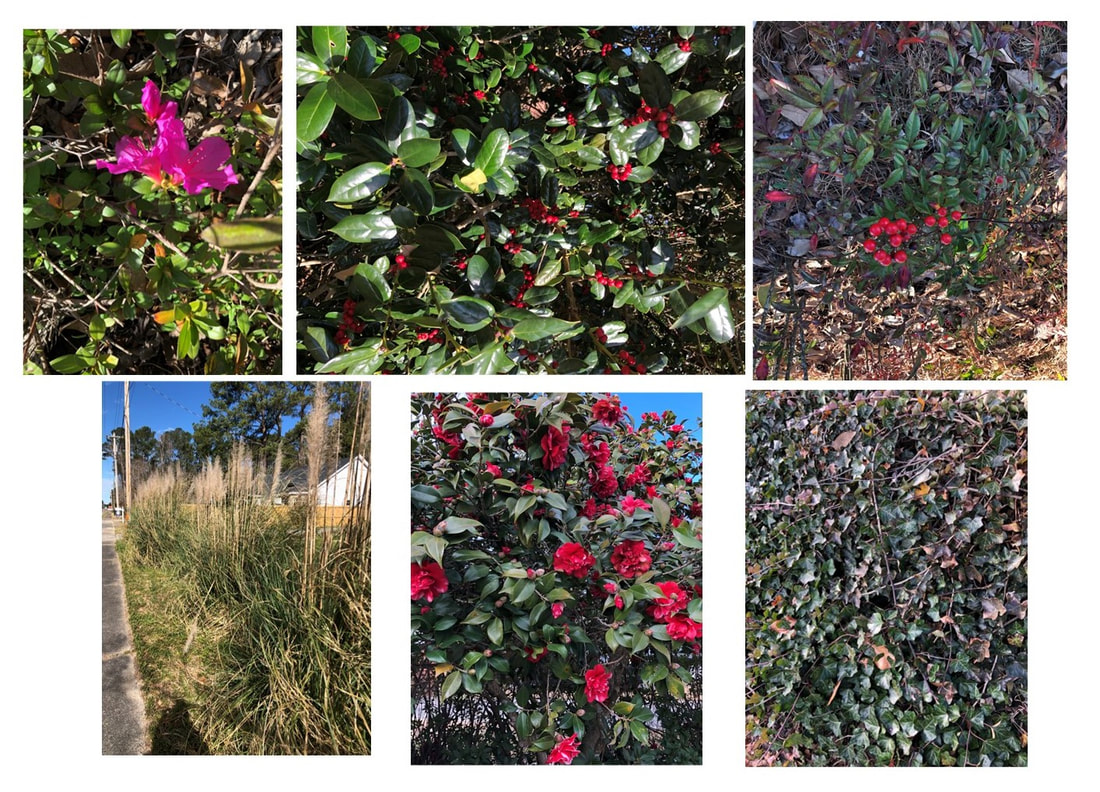
PictureTop - left to right: Satsuki azalea, Chinese holly, Heavenly bamboo (nandina), Bottom - left to right: Pampas grass, Camellia, English ivy
I haven’t been able to observe much of Mother Nature’s handiwork lately. The rental I’m staying in is in town, so my morning walk consists of three miles of bland city streets, sidewalks, and manicured lawns. Very boring.
​
There are many bushes, trees, and flowers, and some have started to bloom. The bad news is they’re 95% non-native, such as boxwood, camellia, Indian hawthorn, Satsuki azalea, and weeping forsythia, along with a bunch of mums, daffodils, and peonies.


​It’s hard to believe so many yards harbor invasives like lilyturf, Chinese holly, crepe myrtle, heavenly bamboo (nandina), English ivy, and pampas grass. 
Picture
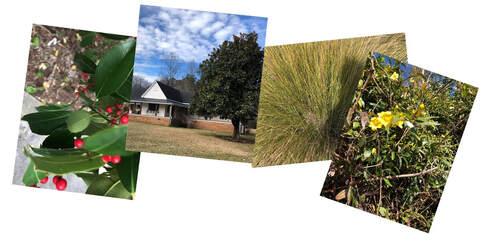
The only three natives, aside from numerous stately Southern Magnolias that I’ve found, American holly, pink muhly grass and Carolina jessamine are hidden behind a deserted house, a parking lot, and the Hardee’s drive-thru.

For the past few months, I’ve searched for yaupon holly and found some bushes in front of the eye doctor’s office. Unfortunately, they’re a cultivar dwarf variety unsuitable for my green privacy fence. Oh, well, I’ll keep looking…
​
Meanwhile, there’s another issue that’s bothering me.
Picture
Litter, Litter Everywhere
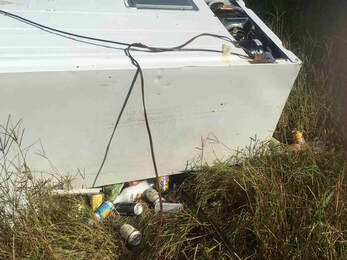
Sadly, the only thing my rural walks have in common with my current urban route is litter. I reread some of my rants from the past couple of years and recalled how aggravating it was to pick up after the slobs who threw trash out along the roadside. At least twice a week, I carried a bag with me to gather cans, bottles, empty cigarette packs, styrofoam take-out trays, cigarette butts, paper and plastic wrappers, cups, and even diapers. Last summer, someone dumped a refrigerator filled with empty beer cans and bottles in a field. That, to me, was the epitome of pathetic disrespect for nature and humanity. How could anyone sink so low?

Luckily, our county’s public works department brought in the heavy equipment and cleaned up the mess.
​
I’ve noticed it’s the same along the city streets (except the fridge, so far). Yet, no one seems to care. The solution is so simple. Carry a bag in the car and place your daily accumulation of trash inside that bag. When you arrive home, carry the bag inside and dispose of the waste. Voila, no litter, no pollution, and all the life that shares this planet with us benefits from your thoughtfulness. Plus, when parents act as responsible role models, their kids will continue the environmentally friendly practice, passing it along to future generations. It’s a win-win for humanity and the environment.

Picture
Litter Affects the Health and Well-Being of our Planet
I am a conservationist. Environmental conservation pertains to the land, water, air, and ALL the critters (invertebrates, aquatic creatures, avians, and wildlife) that depend on having a functioning ecosystem for survival. Nature, from the tiniest bug to the giant whales, is interconnected and relies on maintaining Mother Nature’s balance. All the litter, chemicals, and junk polluting the land and sea not only look terrible but also affect all these creatures as they try to make their living.

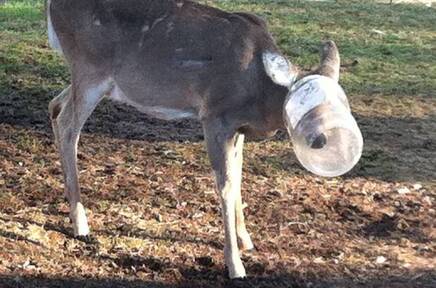
According to Keep America Beautiful, over 51 billion pieces of litter appear on U.S. roadways each year. Wildlife, aquatic creatures, and birds are innocent victims of rubbish, ingesting or becoming injured by or being entrapped in improperly discarded trash. Some of the obstacles they encounter are:
  • getting their heads or other parts of their body stuck in plastic six-pack rings, bags, bottles, or other containers
  • eating household toxic waste and cleaners from garbage bins, resulting in extreme illness or death
  • mistaking plastic or latex (e.g., balloons, disposable gloves) for food, making them sick or blocking their digestive tract, causing them to starve
  • suffocating inside plastic bags
  • getting tangled in string, ropes, or netting, rendering them unable to free themselves.
​
Animals have a keen sense of smell and sight. They follow their noses to the source of interesting aromas wafting from recently discarded items. We’ve all seen pictures of animals with their heads stuck inside a tin can or plastic bottle. The ones photographed are the lucky ones who received help, but how many other curious creatures are fated to wander around aimlessly, slowly suffocating or starving to death?

The worst part is that they have no idea what’s happening. No one can tell a deer or a possum to avoid sharp bits of metal or glass peppering the landscape. They cannot comprehend that a broken beer bottle or rusty metal will inflict cuts and punctures that will become infected. And when the inevitable happens, there are no walk-in clinics where these creatures can get antibiotics or a tetanus shot. They’re doomed to die from the infection.

Something I’ll bet you didn’t know — just a tiny bit of chewing gum stuck in their fur or feathers can impede an animal’s or bird’s mobility. If swallowed, the gum can create blockages in their throats or digestive systems.

It’s estimated that over a million animals, birds, and sea life die each year from improperly discarded trash. That’s an unfortunate fact that could be avoided very simply.
​
Okay, I’ll get off my soapbox and leave you with this:

Conservation is more than planting native flowers, trees, and shrubs. We also have to step back and look at the big picture.
​

So, while you’re landscaping your yard with native plants, keep in mind that we need to take care of the rest of our planet, too. Start today. Put that garbage bag in your car. Start your family’s no-litter policy right now! 


0 Comments

Looking for Inspiration

2/9/2024

0 Comments

 
Picture


​

​We’re still waiting to move into our new home. There’s a hold-up with the title, so Silke and I are searching for ideas on landscaping our yard while the bureaucratic red tape runs its course. As I stated in my previous post, we have a blank canvas to design our pollinator wonderland any way we want.

Looking Online
Since we’re both new to this venture, we’ve been looking online for inspiration. Folks all over the world have created magnificent gardens that I’d love to emulate. Of course, it’ll take years to replace all our turf grass and bare ground with a colorful panorama that’ll reflect our dreams. But we’ve got to start somewhere, right?

GrowItBuildIt.com must have been reading my mind. Last weekend, they published an article on starting a native plant garden from scratch. I was already familiar with the basics – choosing the site(s), determining the sunlight, moisture, PH, etc., prepping it, and choosing the proper flowers. However, having all the information in one spot for reference is nice. It’s a keeper!
​
The blog post reminded me that time is slipping away to prepare the seeds for spring. I had planned to spend the colder months winter sowing the wildflower seeds I’d collected last summer and autumn. Unfortunately, though, that project is still on standby until I have a permanent residence. Hopefully, I’ll have a chance to winter sow some annuals during February.

Picture
Looking Closer to Home     


​Meanwhile, there are other sources of inspiration of which we can take advantage.

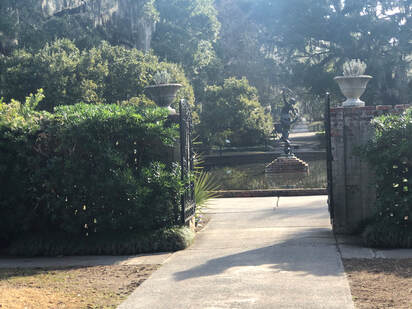
Brookgreen Gardens is a fabulous 9000-acre nature preserve housing magnificent sculptures and native habitat.

Confession time: I’ve lived in this area for 30 years, and this past weekend was the first time I visited Brookgreen Gardens. I’ve wanted to go, but being an introvert, the crowds swarming the numerous Myrtle Beach tourist attractions, along with unpredictable traffic prevented it. I’ve never been brave enough to drive up there. But luckily, this time, Silke offered to chauffeur us.

I’ve got to admit, I regret missing out on such a treasure for all those years. It was worth the hassle. The place is a naturalist’s paradise!

The property comprises formal gardens as well as undeveloped salt marshes, woodlands, and river bluff forests that protect over 2,000 species of native plants and insects along with a variety of other wildlife, including wild turkeys, fox squirrels, and a multitude of songbirds.

There was too much to see in one trip. We bypassed the non-native flowers populating the formal gardens and toured the lesser-traveled paths with guides from the Native Plant Society. We only visited a small portion of the acreage, but it was awesome. Strolling along the walkways was an educational experience. In just a few hours, I learned a lot about the indigenous plants in this area.

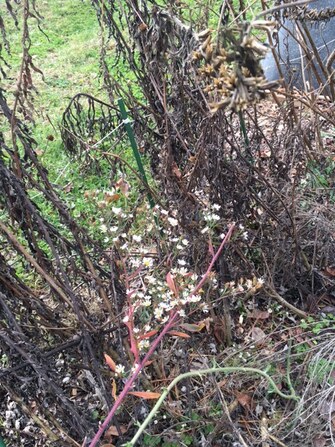
Horticulturist Jason Flynn gave us a tour of his pride and joy – Brookgreen’s native plant garden. He explained how local geology played a role in the evolution of plants, insects, and animal life in South Carolina, and highlighted some of the effects of humans on nature. We’ll have to return in the summer to experience the grandeur of Jason’s garden in full bloom. Sadly, all we observed this time around were the remaining stems and dried flower heads of the native plants. However, we did get the names of some flowers and shrubs we can plant in our yard. Excellent!
​
On the next trip, I plan to follow the Trail Beyond the Garden Wall (TBGW). Originally, it was reserved for staff as a shortcut between the north and south ends of the Gardens. However, now it’s open for the public to see and admire the fantastic native plants out there.

Picture
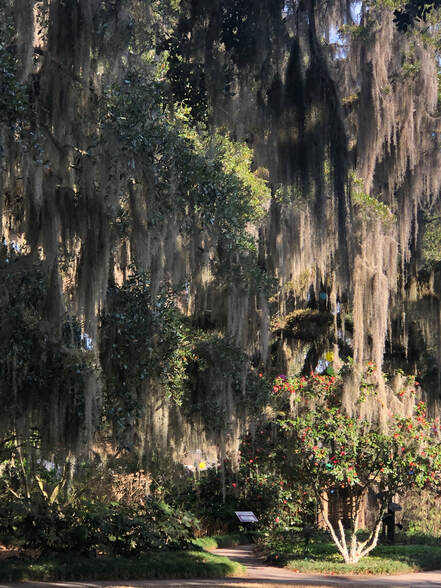
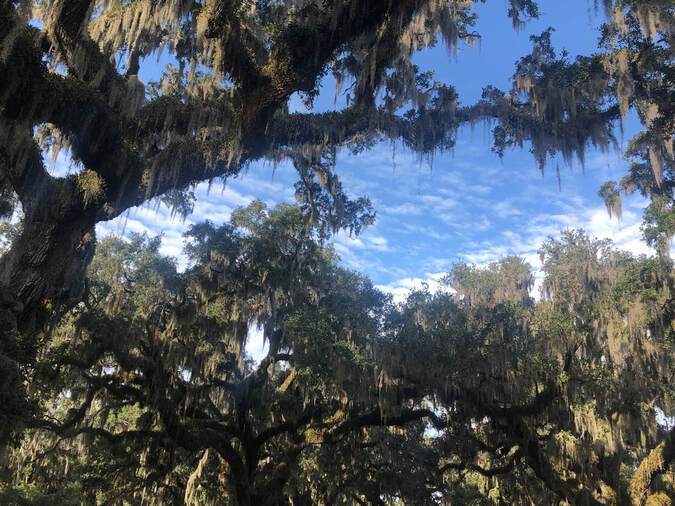
I don’t want this to sound like an advertisement, but Brookgreen Gardens truly is a pleasant haven to get away from the rest of the world. Walking under the live oaks draped with Spanish moss while enjoying an up-close and personal view of the many ecological wonders truly outshone any images we viewed online.
​
I look forward to incorporating everything Silke and I have learned into our Hometown Habitat. It’ll be a learning experience for us and, hopefully, our neighbors. Through our efforts, I hope to spread the word about the decline of pollinator populations, loss of habitat, and the importance of reintroducing native plants while having fun playing in the dirt. Keep your fingers crossed we can make a positive difference.


0 Comments

A December Not to Remember!!

1/12/2024

0 Comments

 
PictureTransitioning from one home to another.
I’m glad December is over with. It was mostly okay. However, there were a few days that were terrible. The nightmare bits revolved around losing my home.

Back in the late 1990s, my husband and I leased a hunk of farmland. We leveled and smoothed it out, hooked up our mobile home, and planted grass, trees, and a few bushes. Over time, we transformed the former cornfield into a lovely little homestead.

After Bob passed away in July 2020, it was no longer the same. Everywhere I looked reminded me of my loss. I wanted to move. I dreamed of buying a place to plant many native flowers, shrubs, and trees - my own pollinator paradise. Unfortunately, that was a fantasy my budget prohibited from ever coming true.

A girl can dream, though. I shared this dream with friends, and one of them decided to help me turn my wish into a reality. A few months ago, we joined forces to look for land where we could each set up a home. I was so excited! We searched for acreage with various types of habitat – wetland, wooded, and cleared – and planned how to create our own wildlife sanctuary. It would take time, but we were in no hurry.

Then came the bad news. The land where my little trailer has sat for over 20 years was being sold, and I had 30 days to vacate the premises. I couldn’t believe anyone could heartlessly throw a 65-year-old widow out of her home, especially over Christmas. Money and greed bring out the worst in people, I reckon.
​
Well, long story short, we found a place. It won’t be ready within 30 days, but I really don’t care. Like I told the landowner; I’m doing the best I can with what I got. What can they do, evict me? 

PictureLate December in my garden: the asters are still blooming and the swamp sunflowers and evening prmrose offer lots of seed for birds to munch on as well as foliage for insects to nest in.
The Creatures Who Live Around Me
During December, I wasn’t the only one looking for a home. Most of my time was spent sorting through 30 years’ worth of stuff, sorting out the keepers, things to give away, and the useless garbage nobody wants. However, I didn’t let the time constraint keep me from my daily walks.
It was easy to see I wasn’t the only one madly rushing around looking for a home.

Birds didn’t take very kindly to me disturbing them as they prepared their overwintering grounds in the woodlands surrounding the fallow fields. They were busy taking advantage of summer’s vegetation as it wilted away, cushioning the interior of their shelters and covering the ground, protecting all who retreated to those safe havens.
​
Goldenrod, asters, and other late-blooming plants provided pollen for the insects stocking up for the winter as they instinctively worked toward preparing a nice warm spot for themselves with plenty of food for their offspring.

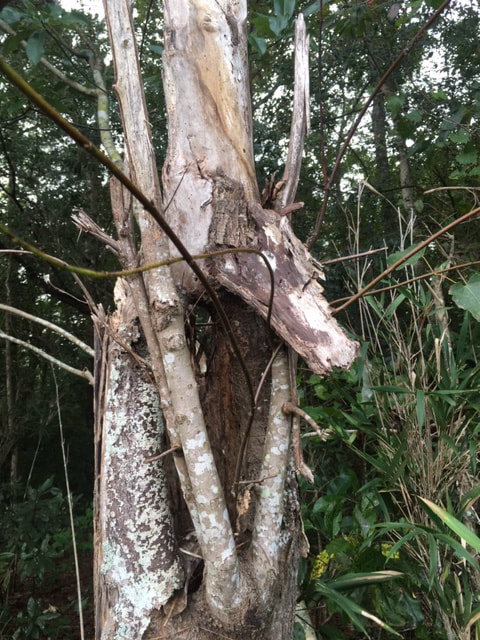
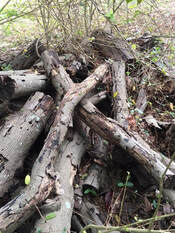
Hopefully, the bees, butterflies, wasps, moths, fireflies, ladybugs, and ground beetles will take advantage of the leftover plant stems, fallen leaves, and bare ground in the garden beds for their nesting. I’ve also left plenty of leaf litter and brush piles to provide shelter from predators and the elements for any bird, possum, rabbit, pollinator, snail, worm, millipede, or other critter that needs it.

Mother Nature has taught me a valuable lesson. No creature, whether it has two, four, six, eight, or no legs, should ever be homeless. Every living being deserves the basics of food, water, and shelter.
​

Contributing to nature means so much to me. Little things that you and I can do make a big difference to the living beings with whom we share this planet. Just leaving a pile of leaves or brush, not removing dead flowers from the garden, and leaving snags and decaying trees where they are create homes for insects, birds, and animals. It doesn’t cost anything, and the rewards for them and us are priceless. 

The Gift I Finally Uncovered
In closing, I realize this wasn’t a December not to remember. My life has turned a corner, and I will be safe and warm this winter. Plus, I have been able to provide shelter for the creatures with whom I have been sharing this precious piece of land before I leave. 
Picture
Picture
Picture
Picture
Picture
Despite what often feels like chaos, if we hold onto the faith in our dreams, Life will shift circumstances until what felt imbalanced morphs into balance. This is what a miracle looks like. The Universe responded to the level of my belief and manifested more than I could ever have imagined! I’m fortunate to have everything I need and honored to be able to share it with creatures around me.
0 Comments

Making a Difference

8/25/2023

0 Comments

 
Picture
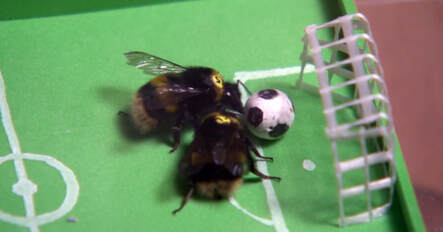
Bumble bees are intriguing and a joy to watch. The friendly creatures are curious, very smart, and like to play too. Carefully controlled research shows they not only learn quickly, but instinctively make modifications and improvements upon their newly acquired skills. (Science.org)

I enjoy it when they interact with me and hover a few inches from my nose. I wonder what’s going through that small yet intelligent bee brain. How do they view the world? Do they realize their populations are dwindling and some Bombus species are threatened to disappear forever? Can they learn and adapt to the changing climate and avoid dangerous pesticides?

Last summer, my vegetable garden was a bust. I watered the plants, pulled up the biggest weeds, and planted pollinator-friendly flowers nearby. The leaves, stems, and the rest of the plants grew, and there were tons of blossoms but no tomatoes, squash, cukes, eggplants, or zucchini.

 Why? Because no bumble bee or any other insect crawled, fluttered, or buzzed around the garden to pollinate the fruiting blooms. That scared me. Was I witnessing the demise of our pollinators? Luckily, my late summer and autumn flowers started attracting attention from the insect world, and the pollinators returned. However, the original problem still existed. What could I do to make a difference?

That got me investigating ways I could prevent the same situation from happening again. I’m determined to make a positive difference. My resolution encouraged me to take a closer look at the world around me from a bug’s perspective. That’s where my captivation with indigenous flowers, shrubs, and trees originated, and now I’m hooked on discovering all of nature’s hidden beauty.

Along with documenting and preserving native plants, another golden opportunity came my way from the Xerces Society. I purchased an insect net and some small vials, dusted off our Canon XS digital camera, and joined SEBBA, the Southeastern Bumble Bee Atlas. I was going to catch and photograph some bumble bees!

The Bumble Bee Atlas
Xerces’ Bumble Bee Atlas is a citizen science project that collects the data needed to track and conserve bumble bees. The information gathered through these surveys is necessary to understand bumble bees, assess species distribution, population shifts, habitat associations, and to develop and implement effective conservation measures.

At least 50 different bumble bee species live in North America. Many of them face an uncertain future. One-quarter of them are undergoing dramatic population declines due to habitat loss, pesticide use, climate change, low genetic diversity, and the introduction and distribution of pathogens through commercial pollinators. 

The website sums up the purpose of the project: Regardless of the ultimate cause of bumble bee declines, protecting and managing existing habitat or creating new habitat are some of the most immediate and productive steps that can be taken to conserve these important pollinators. Understanding what habitats are most important, where to protect them, and where to restore them are where our Atlas projects will provide essential information.
​

To get valuable data at the scale Xerces needs demands widespread participation. That’s why Atlas projects are active in 15 states: Pacific Northwest, Great Plains, Nebraska, Minnesota, California, Missouri, Iowa, and most recently in the Southeast. 


Picture
My First Survey
The Southeastern Bumble Bee Atlas (SEBBA) got off the ground in Tennessee, Georgia, and the Carolinas earlier this year. After completing my training through an online workshop and gathering all the necessary supplies, I set out on my first survey on a hot summer morning.

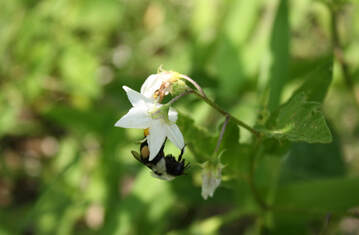
I found my first bumble bee buzzing around a batch of Carolina Horsenettle (Solanum carolinense). Even though I’d practiced swinging the insect net, my antics that morning were not very graceful. My feet were balanced on a narrow ridge while trying to capture the bee. I got her but nearly fell face-first into the thorny horsenettle. Luckily, I was spared that painful experience.


​Have you ever tried to corner an angry bumble bee inside a net and then coerce her into a small bottle? I finally figured it out after losing my first victim and attempted it again with a second one. At least ten bumble bees were buzzing around the horsenettle, so I didn’t totally lose out on my capture. Thank goodness.

After icing them in the cooler, doing the photography was another learning experience. At first, I didn’t have the bumble bee chilled enough, and she flew off before I finished taking her pictures. I had to go back to the horsenettles and get another bumble bee. Eventually, I got the hang of it and completed my task. The pictures weren’t the greatest, but I’ll improve with more practice.
​
It took a little longer than expected to complete the survey and do the paperwork, but it was worth it. The best part of my adventure was knowing I was accomplishing my goal and doing something that would make a difference. There’s no better way to spend a day!

If you’re interested in participating in the Xerces Society’s Bumble Bee Atlas, check out their webpage for more information. If the BBA is not active in your state, you can still photograph and submit your pictures of bumble bees to Bumble Bee Watch. That’s how I got started. Good luck!

0 Comments

I Knew the Day Was Coming!

7/14/2023

0 Comments

 
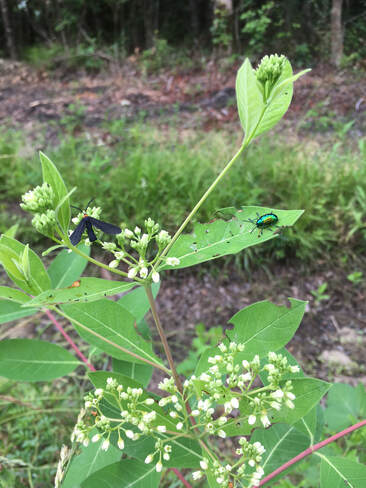
PictureGrapeleaf Skeletonizer Moth and Dogbane Beetle on Indian hemp (dogbane) plant
Every morning, I peek out the window to check up on all my floral friends before I step out the door. I have to admit the section of road visible from my kitchen isn’t the prettiest sight. It consists primarily of brambles and tall grass covering the bank of a very deep ditch. However, if my small patch is still intact, untouched by machine, the rest of the road will be too, and I can go exploring.

It’s so fascinating to locate ‘new to me’ native plants that sprout along the pathway bordering the road. The roadside is my classroom.

Over the past few months, I’ve discovered plants like Indian hemp, also called Hemp Dogbane (Apocynum cannabinum). Historically, fibers from the plant’s stem were used by Native Americans to make bow strings, fishing lines, nets, cords, bags, and mats. Environmentally, the plant continues to serve as a primary food source for certain insect species, including two types of hummingbird moths.
​
What initially attracted my attention to the ordinary-looking plant were the bright green iridescent Dogbane Beetles (Chrysochus auralus) crawling around the leaves and flowers of the hemp plant. As the name implies, these beetles specialize in pollinating plants in the dogbane family.

To think, this beneficial plant with such a rich history grows underneath a speed limit sign, unnoticed by everyone traveling this road, except me.
 
Of course, grass, weeds, and brambles encountered no problems establishing a foothold along the route, yet it took a while for the wildflowers to make their mark on the landscape. But once they became established, the blossoms took off and really brightened up my morning walks.
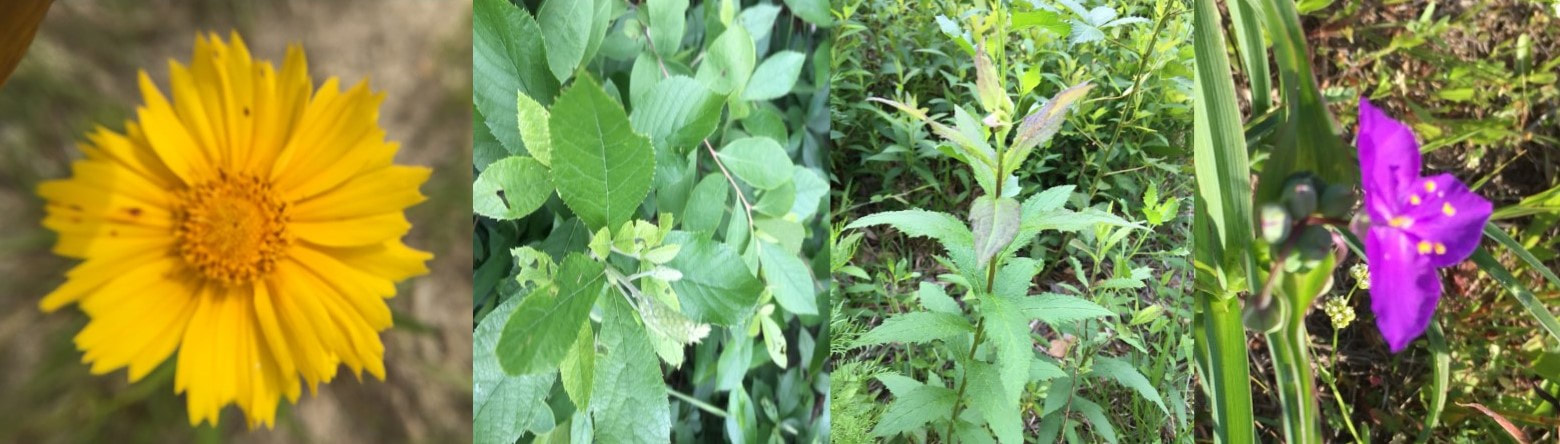
It surprised me when I realized how several of the volunteers I ‘discovered’ play a key role in supporting native insects. Lanceleaf Coreopsis (Coreopsis lanceolata), Sweet Pepperbush (Clethra alnifolia), Wrinkleleaf Goldenrod (solidago rugosa), and Ohio Spiderwort (Tradescantia ohiensis) are all on the Xerces Society’s 75 most beneficial pollinator plants in the southeast. How’s that for hidden roadside treasures?!

Picture
Lanceleaf Coreopsis, Sweetpepper Bush, Wrinkleleaf Goldenrood, Ohio Spiderwort
Picture
Well, it finally happened!
​
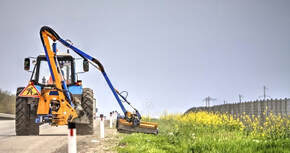
I knew the day was coming - the day the county would mow the shoulders along my road. I just didn’t know when.

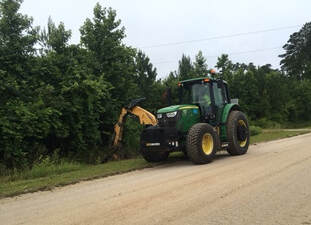
A few days ago, the dreaded bush hog made its appearance, and now all my lovely floral friends are gone. A few hours of noisy chopping and mowing transformed my lovely all-natural pollinator paradise into a wasteland of dirt and grass. It broke my heart. The naked bare earth looked so sad and lonely. 


Picture


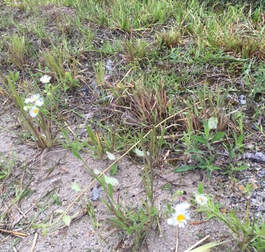
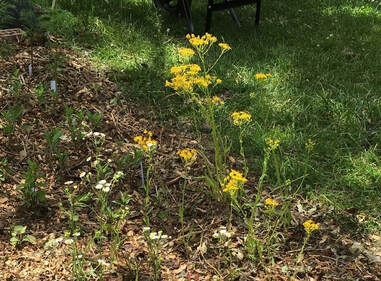
However, I’m proud of the Daisy Fleabane (Erigeron strigosus) that stood up to the monster mower. These little flowers were the sole survivors. 

Even though I’m sorry to see these lovely wildflowers disappear, I’m looking forward to seeing the late summer/autumn plants that’ll take their place. Blue Mistflower (Conoclinium coelestinum), Bearded Beggarticks (Bidens aristosa), Swamp Sunflower (Helianthus angustifolius), various species of Goldenrod (Solidago), Bitter sneezeweed (Helenium amarum), and Frost Aster (Symphyotrichum pilosum) will take over the task of providing food and shelter for insects, birds, and wildlife.

I already have these late-blooming natives growing in my yard. I gathered seeds last autumn and planted the winter-sown seedlings a few months ago. It’ll be neat to watch my garden transition from summer to autumn wildflowers while their cousins come to life and take over the roadside.
​
Nature is amazing. It continues to regenerate regardless of the obstacles put in its way. It astounds me how plants, trees, and shrubs can bounce back after being destroyed. Unfortunately, that’s not always the case. There is a limit to the abuse the natural world can withstand before giving up. I’m glad I have the opportunity to witness the magnificent cycle and do what I can to ensure it never ends.
 

0 Comments

How to SEE the Beauty in Nature

6/30/2023

0 Comments

 
Picture
If you’re anything like me, you can gaze at the scenery around you and never SEE a thing. You go for a walk with a head full of thoughts, worries, cares, or problems, and when the hike’s finished, you don’t recall anything you saw or remember which trail you walked.

On the other hand, your temporary amnesia could result from tunnel vision – looking down or straight ahead instead of gazing all around, or just plain ole impatience preventing you from observing and appreciating the world around you.
My husband taught me to look at and truly see the marvels around me. I’ll never forget his lesson on appreciating nature’s beauty:

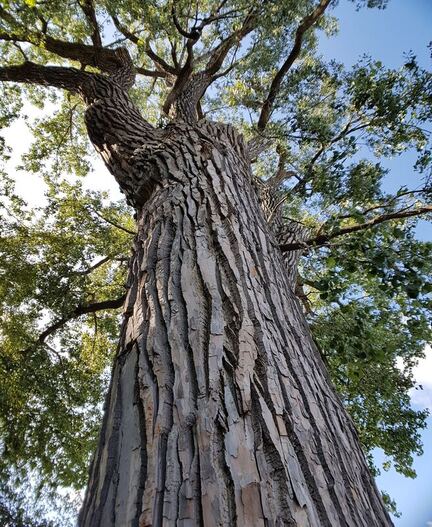
When you look at this tree, what do you see? Leaves? Branches? Bark?

There’s more to it than just the obvious things you expect. Greta, I want you to take a closer look and actually SEE the tree.
​

Look at the patterns in the bark. Touch it. Feel the rough texture. Use your finger to follow the ridges in the bark. There’s a pattern. See and feel how it bows out to either side of that bump. That must be an old injury. Over time, the wound healed, and the bark covered it up.

Up here, a branch came off close to the trunk. It healed around the outside of the empty socket but left a hole in the center. A bird or squirrel must have made a home there and left some bits of its old nest behind.

Now, step back and look at the branches. Notice how their shapes and sizes vary; no two are alike. This one has a dip where it goes around that larger, older branch. And it’s the same with the leaves. They all have a similar shape but are distinctively different.

This tree is an individual, a unique life. It looks different and is different from the neighboring trees. This magnificent work of nature’s art adapted to whatever happened to it over the years and survived. If it could talk, I’m sure the tree would have an exciting story to tell about all it’s seen and experienced.


So remember, when you’re out here in the woods, everything you see is special and deserves to be regarded with our utmost appreciation and admiration….

That was nearly 40 years ago. Robert is no longer with us, but his words are still just as valid today as they were then. I can no longer look at a tree without seeing his finger beside mine, tracing the lumps and bumps of the rough exterior. I still hear his voice reminding me that we need to show respect to Mother Nature and all her lovely creations.

Robert got me started loving and appreciating our natural world, and I’ll never stop. Over the years, I’ve seen how greed, ignorance, laziness, and disrespect have brought about severe ecological damage. Restoring what we’ve lost and conserving what we have left is important to me, and I hope important to you, too. Let’s all do what we can to help Mother Nature. Let’s do it for future generations, and if you have or had someone like Bob in your life, do it for them as well.

0 Comments

What’s Next on the Agenda?

6/16/2023

0 Comments

 
PictureWrinkle-leaf Goldenrod (Solidago rugose)
​I want to save native plants.

I want to end homelessness. No creature, whether it has 2, 4, 6, 8, or no legs, should be without the basics of food, water, and shelter.

I can do something towards both goals by collecting seeds from all the native flowers I find and then planting successive generations of each one over the coming years.

Since I started this mission, I’ve been pleasantly surprised at the diversity around me. There are more species of plants out there than I thought. We’ve lived here for 28 years and never realized there was so much life sharing this same space!
​
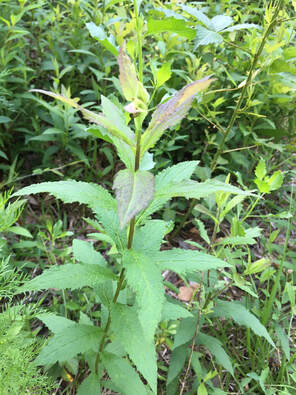
Every week, I discover something new. Today, I found a couple of different varieties of goldenrod. One of them is the native wrinkle-leaf goldenrod (Solidago rugose). I’ll keep track of their location and gather some seeds next autumn.

But seeds alone won’t do the job. Trees and shrubs are also a part of the equation.
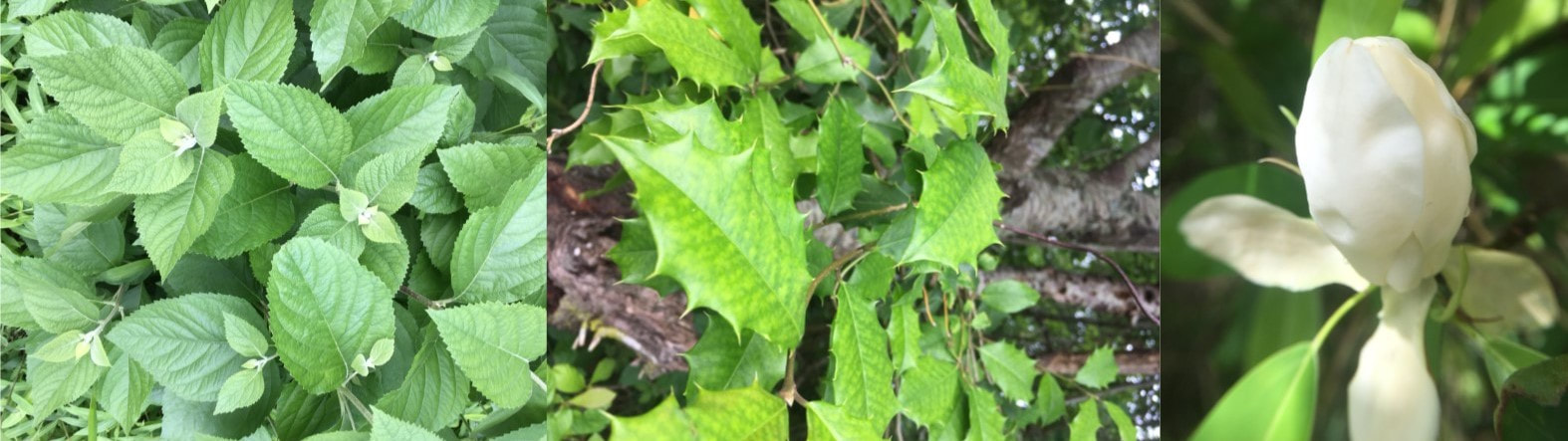
I vary my walks between taking the easy way along the roads or the more difficult routes through the fields and woodlands. The second option has turned into a gold mine lately. This past week, I found a black cherry tree (Prunus serotina) and an American beautyberry bush (Callicarpa americana). They’re both native species and very beneficial to birds and wildlife as well as pollinators.
​
I can’t neglect to mention the blackberry and blueberry bushes and a blossoming persimmon tree I’ve encountered. Nor the holly, dogwood, magnolia trees, and the various shrubs I’ve marked for further observation. 

Picture
American Beautyberry bush, Holly tree, Southern Magnolia
I’m discovering so much and having so much fun!
It’s astonishing the number of “new to me” plants I’ve come across in just the past three months. Something catches my eye, indicating this tree or bush is different from all the others in the area; my “Seek” and “Picture This” apps give me a good idea of what it is, and then I go from there.

I love learning new things. Collecting seeds and discovering unusual facts about the plants I come across is an ongoing learning experience that’ll continue for a long time. Now, I want to add a twist and include propagation to the list of skills I’m trying.
​
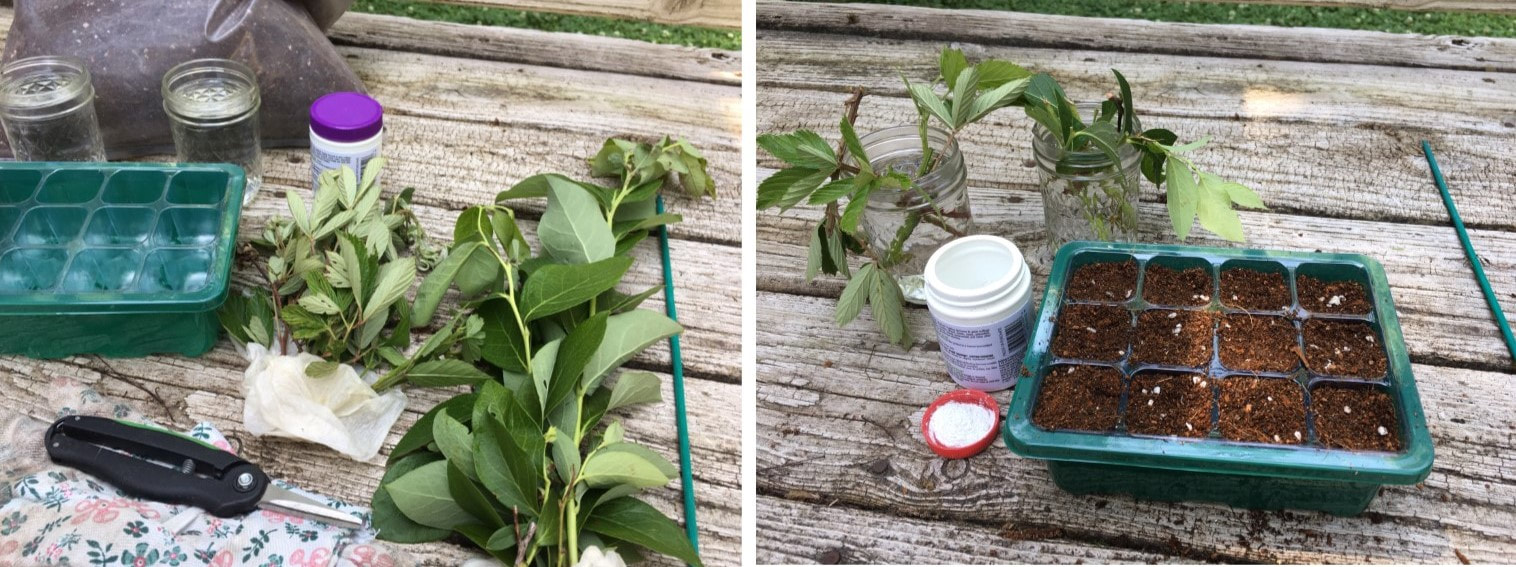
I’m starting with something simple. I took some clippings from blueberry and blackberry bushes and will attempt to root them. I’m sure many of you have already mastered this talent, but please have patience with this newbie. 

Picture
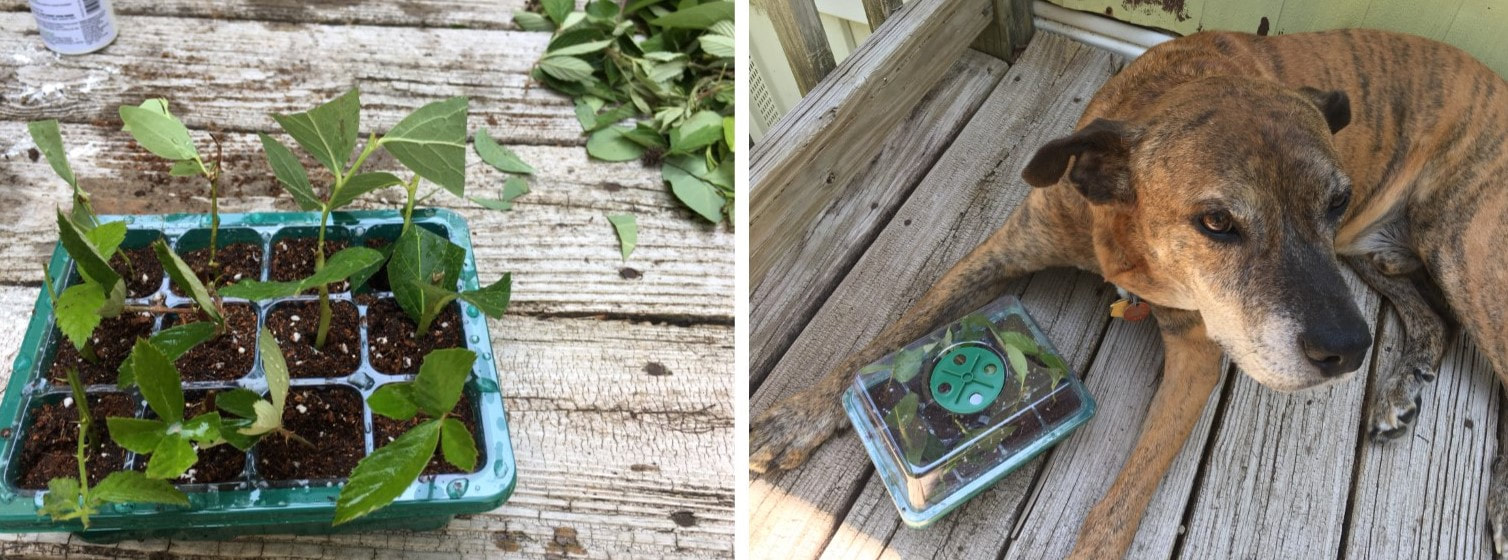
​I trimmed the cuttings to around 5-6 inches tall and removed the leaves from the bottom of the stem. Then, I chopped the remaining leaves in half so they wouldn’t transpire so much water.

​

Picture
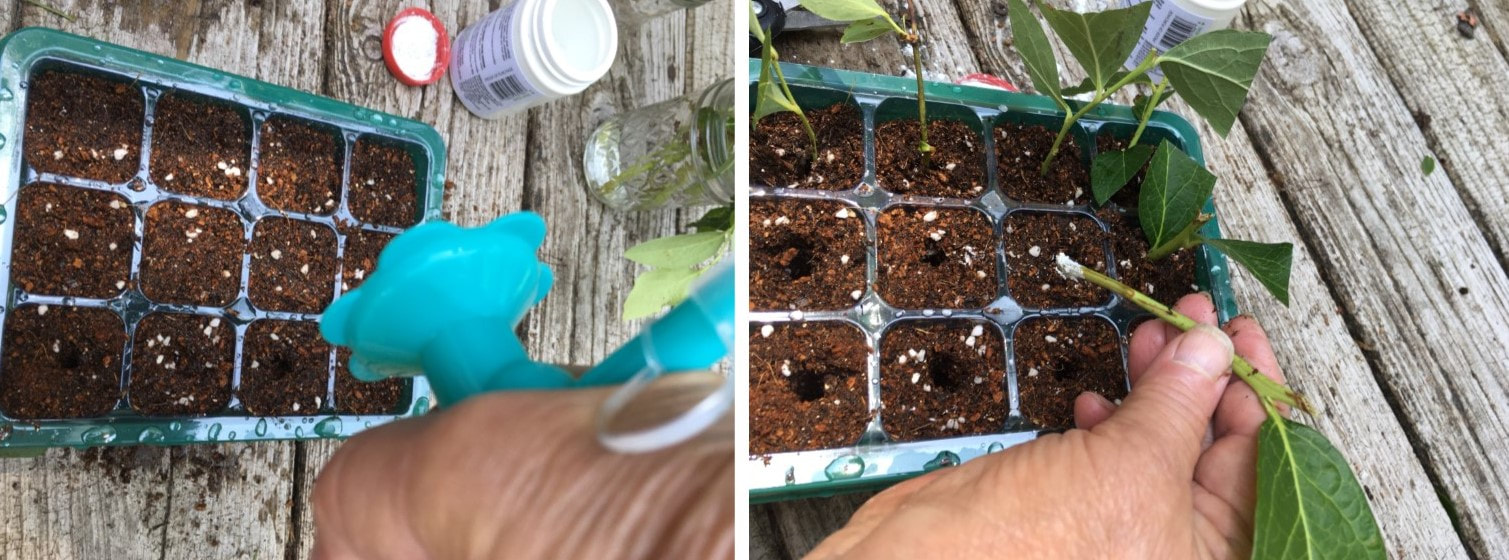
​After giving the soil a little drink of water, I poked holes in the dirt for the cuttings. Next, I dipped the blueberry and blackberry stems in some powdered rooting hormone before inserting them in their new homes.

​

Picture
And voila! There’s my first attempt at propagating plants. Tiger could care less, but I was happy with the first successful steps in my experiment. I hope to get at least half of them to root. Then the effort would be worth all the drops of blood I shed from the blackberry stems stabbing me every chance they got. In about 5 or 6 weeks, I’ll let you know how things work out. Keep your fingers crossed.
​
If anyone out there is willing to share your secrets, this novice would appreciate any advice from the pros. Feel free to comment and let me know your tricks of the trade.

0 Comments

There’s No Turning the Clock Back

6/2/2023

0 Comments

 
Picture
Miracles do happen, folks. So far, all my winter-sown flowers are still alive and growing! Believe me, that is an amazing accomplishment. Through the years, many unfortunate plants have met their demise at my hands. Not intentionally, of course, but I’ve never had the skill or patience to master the fine art of growing anything. I’m so surprised and thrilled to finally be a success at gardening. An amateur, yes, but a happy one.

But wait, there’s more.
​All the volunteer native flowers I transplanted into my garden survived their traumatic experience too. I’ve read all kinds of gardening advice saying wildflowers will not survive the shock of transplanting and to always wait until they’re dormant. I couldn’t help it. I had to try, and it worked.
​
I only moved a few Small’s ragwort, daisy fleabane, lance leaf coreopsis, colicroot, and lyreleaf sage from the roadside to my yard. Those species were well represented with lots of cousins peppering the area, so I didn’t feel bad about removing a few of them. I’ll use their seeds next year along with the seeds I collect on my walks. I have my fingers crossed that the bush hog doesn’t chop the rest of the indigenous flora down before they’re ready to harvest.

Picture
​I want to save all the native plants I can.
It’s heart-wrenching to witness the destruction of a habitat that’s been around for eons, untouched, except by the creatures living there. Every year virgin woodlands and meadows are cleared for development. I’ve watched our community expand with new homes, businesses, and farmland. No one seems to realize the hidden price of all this ‘progress.’

It’s not only the flora.
​So many insects and other wildlife co-evolved with the vegetation and rely on it for food and shelter. When the trees, shrubs, and bushes disappear, the creatures become homeless and perish.

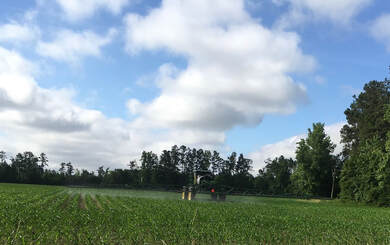
I spoke with a young man last weekend. His family farms hundreds of acres, and he’s next in line to inherit the business. He was spraying the corn fields with weed killer that day. We spoke of the decline in pollinator populations due to habitat loss, overuse of pesticides, and climate change. He patiently listened as I climbed on my soapbox and ranted against systemic insecticides. Surprisingly, he actually agreed with me.

He cares about how his actions affect the environment and takes great care as he sprays the herbicides. To prevent overspray, he uses the minimum pressure possible, drives slowly, and only sprays when the winds are calm.

That’s a positive start. The problem, though, is his family’s need to make a living as commercial farmers. They want to preserve the native plants, animals, and insects. Yet, they must continue using treated seeds and pesticides to produce the large harvests their livelihood depends on.

It’s a Catch-22.
What do we do? There’s no turning the clock back and returning to the pre-chemicals days when commercial farms were much smaller, and the countryside was more natural.

Is there a compromise?
​
We need to find a solution to this problem or else…

0 Comments

“What is that crazy lady up to now?”

5/5/2023

0 Comments

 
Picture
The farmers driving by in their pick-up trucks or sitting high up on a combine smile and wave as they pass by me, but I can read the thoughts behind their friendly gestures. I don’t blame them. They have no idea what I’m doing or why.

One day, I’ll have a trash bag overflowing with litter collected along my route. The next day, they’ll see me hunched over the overgrown grassy shoulder, camera in hand, searching for flowering weeds. Days later, they shake their heads as they watch me dig up a few plants or gather seeds.

When asked, I tell them I’m on a quest to make life better for the creatures we share this world with. I explain about the decline in native habitats and the insects that rely on them.

“I’m simply doing what I can to help restore the balance, and my work must be completed before the roadsides are bush-hogged, destroying the native flora.” 

Even though these folks have spent most of their lives in the great outdoors, they’ve never paid that much attention to bees, butterflies, beetles, bats, and birds that rely on having a litter-free habitat with lots of flowering trees, shrubs, and plants to call home. I hope that with their newly acquired knowledge, the farmers will refrain from tossing out empty water bottles, cut back on pesticides, and have more respect for Mother Nature.

My intention with this blog is the same - to spread the word. No creature, whether it has two, four, six, eight, or no legs, should ever be homeless. Every living being deserves the basics of food, water, and shelter. By saving the native flowering plants, I can do a little something toward providing the food and shelter these creatures need.  

Follow my adventure as I explore the countryside looking for weird and wonderful flowers, trees, and shrubs and the bugs, birds, and other critters that evolved with them. It's fascinating how such insignificant-looking plants can make such a big difference.
​
Through the Lens of a Nature Lover will share my journey as I discover, photograph, and learn about the plants no one ever notices.

​I promise, you will not be bored. 

0 Comments

    Greta Burroughs

    Through the Lens of a Nature-Lover

    ​

    No creature, whether it has two, four, six, eight, or no legs, should ever be homeless. Every living being deserves the basics of food, water, and shelter. By planting native plants, trees, and shrubs, I can do something toward providing the food and shelter these creatures need.

    ​It's amazing how plants and insects evolved to interact with each other, and how one could always instinctively rely upon the other for survival.

    That's what Mother Nature intended.

    Unfortunately, humanity's carelessness and greed disrupted her master plan.


    ​I'm on a quest to help restore Nature's balance by collecting seeds from, transplanting, or propagating the indigenous plants I find along the roadsides and fields before they are mown down or poisoned with pesticides.

    Then, if my gardening skills don't fail me, my yard will eventually provide a year-round oasis of native flowers, trees, and shrubs that'll provide the food and shelter insects need to thrive and never be homeless again. 

    Through the Lens of a Nature-Lover will share my journey as I discover, photograph, and rescue the plants and bugs no one else notices.

    Please join me in my quest to end homelessness. Thank you for caring.


    Archives

    March 2024
    February 2024
    January 2024
    November 2023
    October 2023
    September 2023
    August 2023
    July 2023
    June 2023
    May 2023

    Categories

    All
    Conservation
    Garden
    Invasives
    Native Flowers
    Other Creatures
    Pollinators
    Pollution
    Stewardship

    RSS Feed

    Picture
I will read forever because it lets me visit in my mind the worlds that I will never be able to see; it helps me put away the stresses of the day and relax into the rhythm of the story before me; it lets me bring to the surface and experience without regrets those feelings I hide away; it lets me re-experience the thrill of first love through someone else's eyes; it keeps my mind juiced so that it will never desert me; it is always there for me even when there's no one else. I will read forever no matter whether it is print or digital because the words will always call to me. ~ A Sassy Scribbler