Sweet & Sassy Scribblers
​
  • Genres
  • Fiction
    • Books for Children
    • Fantasy
    • Thrillers
    • Mysteries
    • Women's Fiction
    • Science Fiction
  • Nonfiction
    • Well-being
    • Spiritual Psychology
    • Poems, Essays, Etc.
  • Heart Song Ghostwriting
  • MindSlap! - Spiritual Psychology
  • Let's Get Our Hands Dirty
  • The Scribblers

How to SEE the Beauty in Nature

6/30/2023

0 Comments

 
Picture
If you’re anything like me, you can gaze at the scenery around you and never SEE a thing. You go for a walk with a head full of thoughts, worries, cares, or problems, and when the hike’s finished, you don’t recall anything you saw or remember which trail you walked.

On the other hand, your temporary amnesia could result from tunnel vision – looking down or straight ahead instead of gazing all around, or just plain ole impatience preventing you from observing and appreciating the world around you.
My husband taught me to look at and truly see the marvels around me. I’ll never forget his lesson on appreciating nature’s beauty:

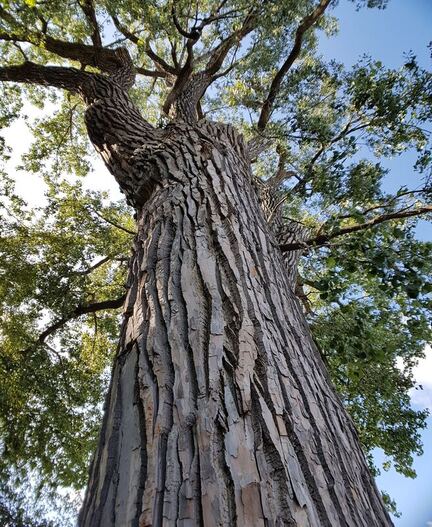
When you look at this tree, what do you see? Leaves? Branches? Bark?

There’s more to it than just the obvious things you expect. Greta, I want you to take a closer look and actually SEE the tree.
​

Look at the patterns in the bark. Touch it. Feel the rough texture. Use your finger to follow the ridges in the bark. There’s a pattern. See and feel how it bows out to either side of that bump. That must be an old injury. Over time, the wound healed, and the bark covered it up.

Up here, a branch came off close to the trunk. It healed around the outside of the empty socket but left a hole in the center. A bird or squirrel must have made a home there and left some bits of its old nest behind.

Now, step back and look at the branches. Notice how their shapes and sizes vary; no two are alike. This one has a dip where it goes around that larger, older branch. And it’s the same with the leaves. They all have a similar shape but are distinctively different.

This tree is an individual, a unique life. It looks different and is different from the neighboring trees. This magnificent work of nature’s art adapted to whatever happened to it over the years and survived. If it could talk, I’m sure the tree would have an exciting story to tell about all it’s seen and experienced.


So remember, when you’re out here in the woods, everything you see is special and deserves to be regarded with our utmost appreciation and admiration….

That was nearly 40 years ago. Robert is no longer with us, but his words are still just as valid today as they were then. I can no longer look at a tree without seeing his finger beside mine, tracing the lumps and bumps of the rough exterior. I still hear his voice reminding me that we need to show respect to Mother Nature and all her lovely creations.

Robert got me started loving and appreciating our natural world, and I’ll never stop. Over the years, I’ve seen how greed, ignorance, laziness, and disrespect have brought about severe ecological damage. Restoring what we’ve lost and conserving what we have left is important to me, and I hope important to you, too. Let’s all do what we can to help Mother Nature. Let’s do it for future generations, and if you have or had someone like Bob in your life, do it for them as well.
0 Comments

What’s Next on the Agenda?

6/16/2023

0 Comments

 
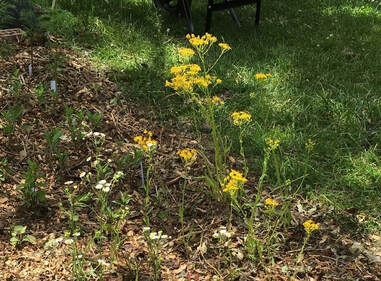
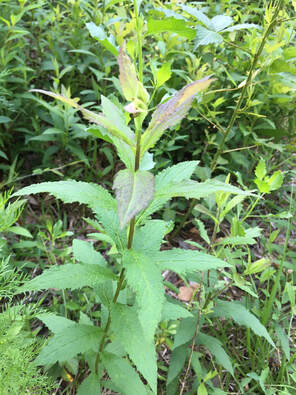
PictureWrinkle-leaf Goldenrod (Solidago rugose)
​I want to save native plants.

I want to end homelessness. No creature, whether it has 2, 4, 6, 8, or no legs, should be without the basics of food, water, and shelter.

I can do something towards both goals by collecting seeds from all the native flowers I find and then planting successive generations of each one over the coming years.

Since I started this mission, I’ve been pleasantly surprised at the diversity around me. There are more species of plants out there than I thought. We’ve lived here for 28 years and never realized there was so much life sharing this same space!
​
Every week, I discover something new. Today, I found a couple of different varieties of goldenrod. One of them is the native wrinkle-leaf goldenrod (Solidago rugose). I’ll keep track of their location and gather some seeds next autumn.

But seeds alone won’t do the job. Trees and shrubs are also a part of the equation.
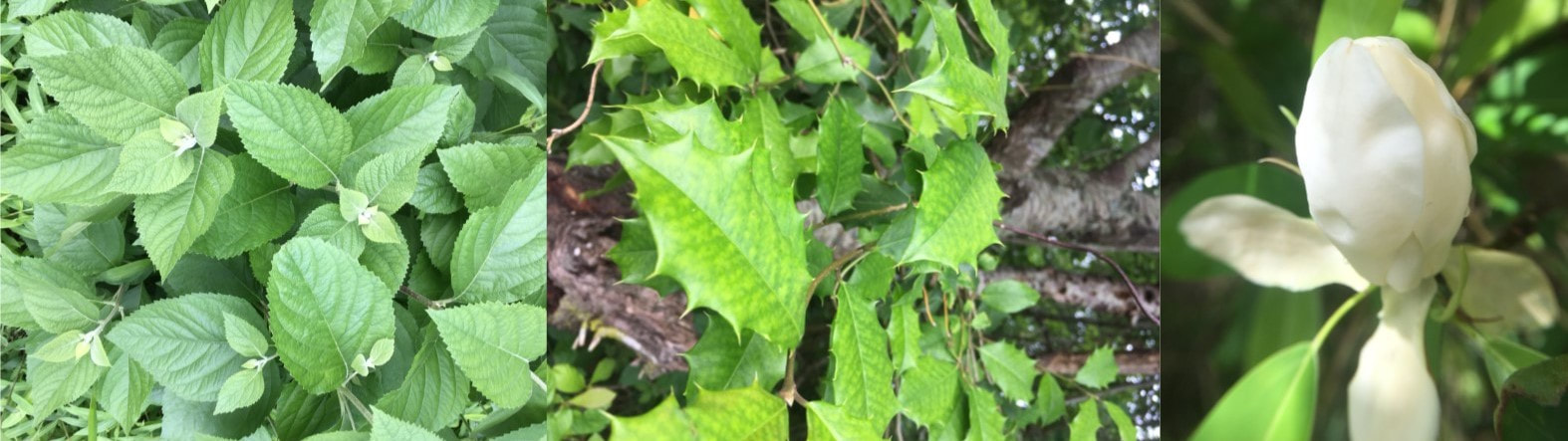
I vary my walks between taking the easy way along the roads or the more difficult routes through the fields and woodlands. The second option has turned into a gold mine lately. This past week, I found a black cherry tree (Prunus serotina) and an American beautyberry bush (Callicarpa americana). They’re both native species and very beneficial to birds and wildlife as well as pollinators.
​
I can’t neglect to mention the blackberry and blueberry bushes and a blossoming persimmon tree I’ve encountered. Nor the holly, dogwood, magnolia trees, and the various shrubs I’ve marked for further observation. 

Picture
American Beautyberry bush, Holly tree, Southern Magnolia
I’m discovering so much and having so much fun!
It’s astonishing the number of “new to me” plants I’ve come across in just the past three months. Something catches my eye, indicating this tree or bush is different from all the others in the area; my “Seek” and “Picture This” apps give me a good idea of what it is, and then I go from there.

I love learning new things. Collecting seeds and discovering unusual facts about the plants I come across is an ongoing learning experience that’ll continue for a long time. Now, I want to add a twist and include propagation to the list of skills I’m trying.
​
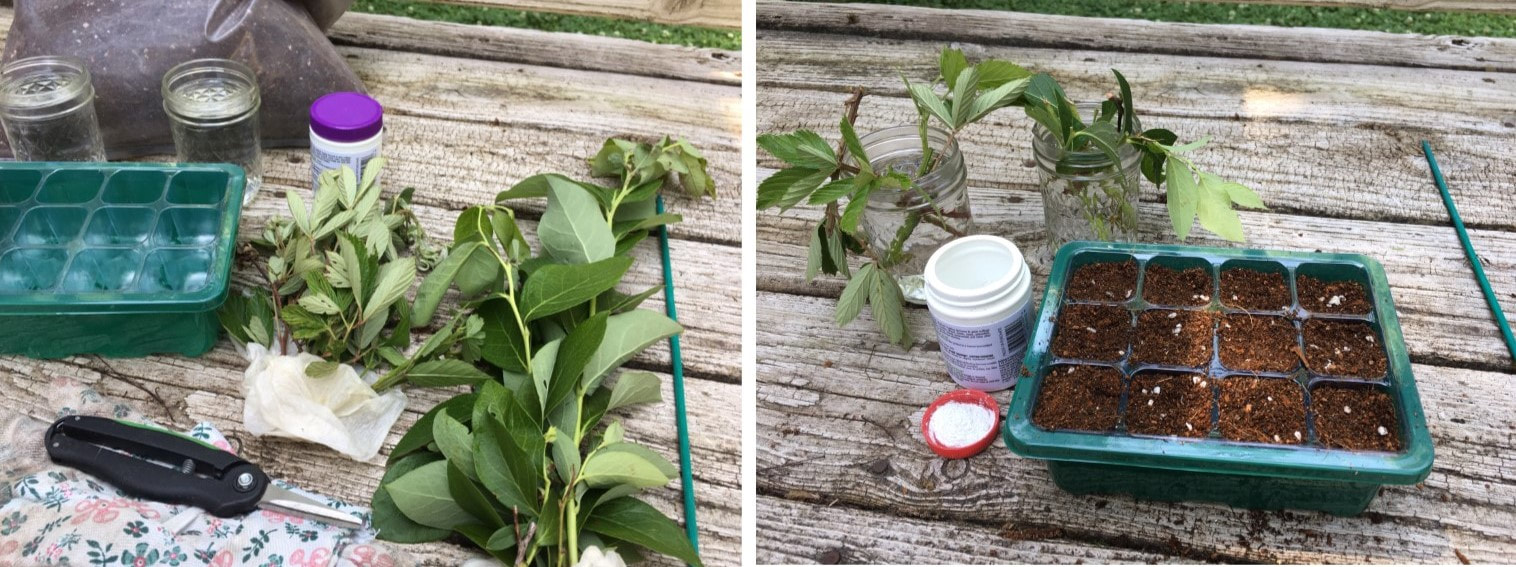
I’m starting with something simple. I took some clippings from blueberry and blackberry bushes and will attempt to root them. I’m sure many of you have already mastered this talent, but please have patience with this newbie. 

Picture
​I trimmed the cuttings to around 5-6 inches tall and removed the leaves from the bottom of the stem. Then, I chopped the remaining leaves in half so they wouldn’t transpire so much water.

​

Picture
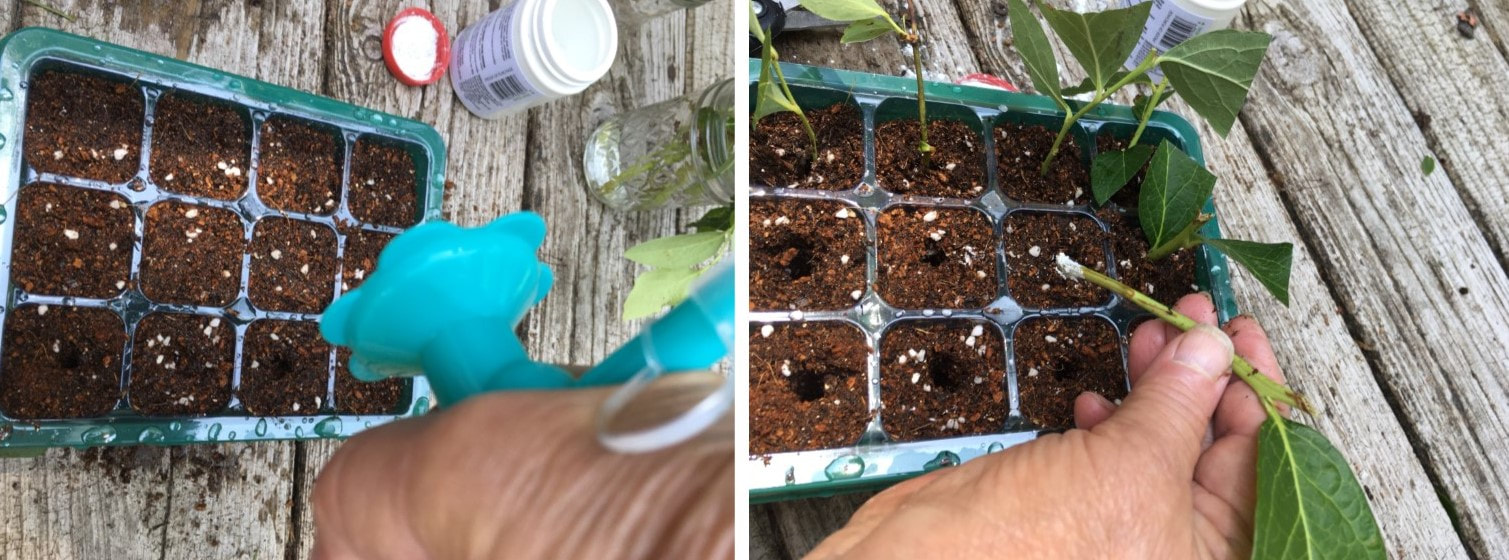
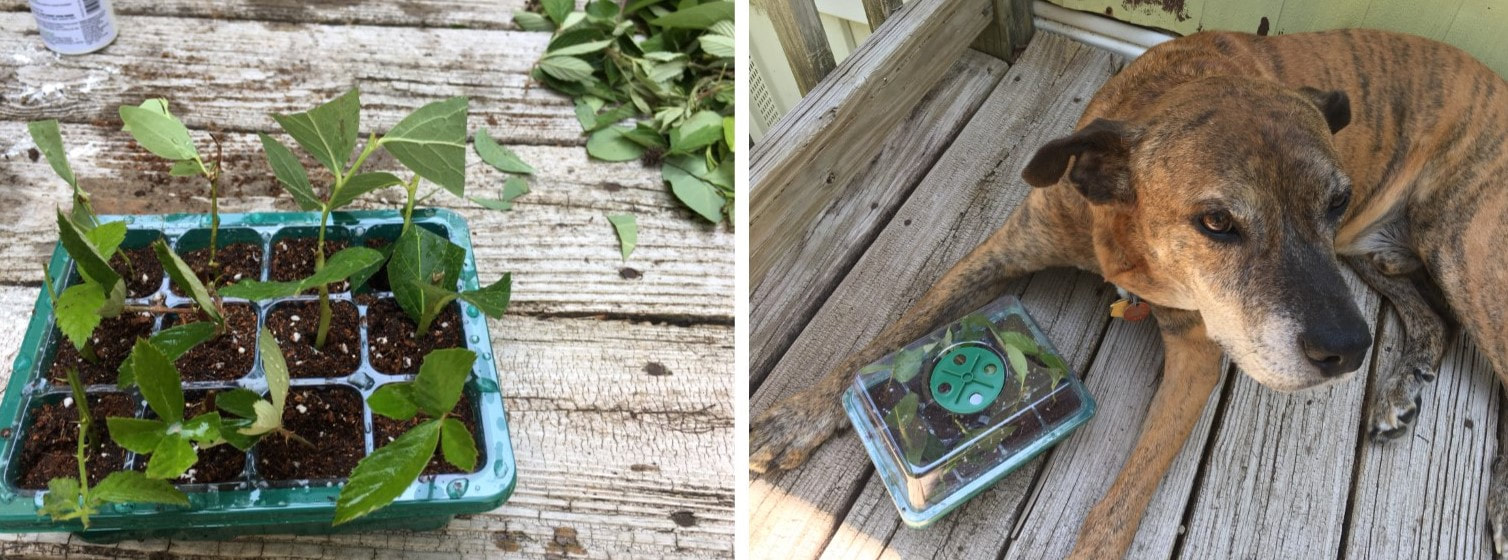
​After giving the soil a little drink of water, I poked holes in the dirt for the cuttings. Next, I dipped the blueberry and blackberry stems in some powdered rooting hormone before inserting them in their new homes.

​

Picture
And voila! There’s my first attempt at propagating plants. Tiger could care less, but I was happy with the first successful steps in my experiment. I hope to get at least half of them to root. Then the effort would be worth all the drops of blood I shed from the blackberry stems stabbing me every chance they got. In about 5 or 6 weeks, I’ll let you know how things work out. Keep your fingers crossed.
​
If anyone out there is willing to share your secrets, this novice would appreciate any advice from the pros. Feel free to comment and let me know your tricks of the trade.

0 Comments

There’s No Turning the Clock Back

6/2/2023

0 Comments

 
Picture
Miracles do happen, folks. So far, all my winter-sown flowers are still alive and growing! Believe me, that is an amazing accomplishment. Through the years, many unfortunate plants have met their demise at my hands. Not intentionally, of course, but I’ve never had the skill or patience to master the fine art of growing anything. I’m so surprised and thrilled to finally be a success at gardening. An amateur, yes, but a happy one.

But wait, there’s more.
​All the volunteer native flowers I transplanted into my garden survived their traumatic experience too. I’ve read all kinds of gardening advice saying wildflowers will not survive the shock of transplanting and to always wait until they’re dormant. I couldn’t help it. I had to try, and it worked.
​
I only moved a few Small’s ragwort, daisy fleabane, lance leaf coreopsis, colicroot, and lyreleaf sage from the roadside to my yard. Those species were well represented with lots of cousins peppering the area, so I didn’t feel bad about removing a few of them. I’ll use their seeds next year along with the seeds I collect on my walks. I have my fingers crossed that the bush hog doesn’t chop the rest of the indigenous flora down before they’re ready to harvest.

Picture
​I want to save all the native plants I can.
It’s heart-wrenching to witness the destruction of a habitat that’s been around for eons, untouched, except by the creatures living there. Every year virgin woodlands and meadows are cleared for development. I’ve watched our community expand with new homes, businesses, and farmland. No one seems to realize the hidden price of all this ‘progress.’

It’s not only the flora.
​So many insects and other wildlife co-evolved with the vegetation and rely on it for food and shelter. When the trees, shrubs, and bushes disappear, the creatures become homeless and perish.

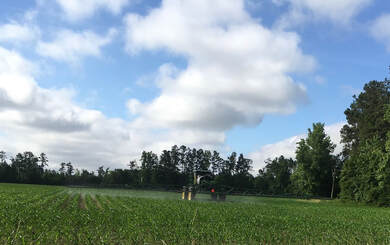
I spoke with a young man last weekend. His family farms hundreds of acres, and he’s next in line to inherit the business. He was spraying the corn fields with weed killer that day. We spoke of the decline in pollinator populations due to habitat loss, overuse of pesticides, and climate change. He patiently listened as I climbed on my soapbox and ranted against systemic insecticides. Surprisingly, he actually agreed with me.

He cares about how his actions affect the environment and takes great care as he sprays the herbicides. To prevent overspray, he uses the minimum pressure possible, drives slowly, and only sprays when the winds are calm.

That’s a positive start. The problem, though, is his family’s need to make a living as commercial farmers. They want to preserve the native plants, animals, and insects. Yet, they must continue using treated seeds and pesticides to produce the large harvests their livelihood depends on.

It’s a Catch-22.
What do we do? There’s no turning the clock back and returning to the pre-chemicals days when commercial farms were much smaller, and the countryside was more natural.

Is there a compromise?
​
We need to find a solution to this problem or else…

0 Comments

    Greta Burroughs

    Through the Lens of a Nature-Lover

    ​

    No creature, whether it has two, four, six, eight, or no legs, should ever be homeless. Every living being deserves the basics of food, water, and shelter. By planting native plants, trees, and shrubs, I can do something toward providing the food and shelter these creatures need.

    ​It's amazing how plants and insects evolved to interact with each other, and how one could always instinctively rely upon the other for survival.

    That's what Mother Nature intended.

    Unfortunately, humanity's carelessness and greed disrupted her master plan.


    ​I'm on a quest to help restore Nature's balance by collecting seeds from, transplanting, or propagating the indigenous plants I find along the roadsides and fields before they are mown down or poisoned with pesticides.

    Then, if my gardening skills don't fail me, my yard will eventually provide a year-round oasis of native flowers, trees, and shrubs that'll provide the food and shelter insects need to thrive and never be homeless again. 

    Through the Lens of a Nature-Lover will share my journey as I discover, photograph, and rescue the plants and bugs no one else notices.

    Please join me in my quest to end homelessness. Thank you for caring.


    Archives

    March 2024
    February 2024
    January 2024
    November 2023
    October 2023
    September 2023
    August 2023
    July 2023
    June 2023
    May 2023

    Categories

    All
    Conservation
    Garden
    Invasives
    Native Flowers
    Other Creatures
    Pollinators
    Pollution
    Stewardship

    RSS Feed

    Picture
I will read forever because it lets me visit in my mind the worlds that I will never be able to see; it helps me put away the stresses of the day and relax into the rhythm of the story before me; it lets me bring to the surface and experience without regrets those feelings I hide away; it lets me re-experience the thrill of first love through someone else's eyes; it keeps my mind juiced so that it will never desert me; it is always there for me even when there's no one else. I will read forever no matter whether it is print or digital because the words will always call to me. ~ A Sassy Scribbler