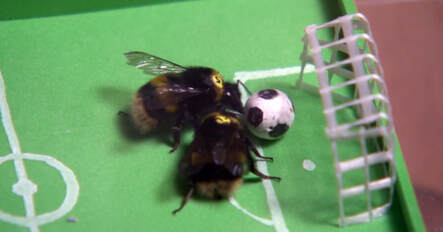
Bumble bees are intriguing and a joy to watch. The friendly creatures are curious, very smart, and like to play too. Carefully controlled research shows they not only learn quickly, but instinctively make modifications and improvements upon their newly acquired skills. (Science.org)
I enjoy it when they interact with me and hover a few inches from my nose. I wonder what’s going through that small yet intelligent bee brain. How do they view the world? Do they realize their populations are dwindling and some Bombus species are threatened to disappear forever? Can they learn and adapt to the changing climate and avoid dangerous pesticides?
Last summer, my vegetable garden was a bust. I watered the plants, pulled up the biggest weeds, and planted pollinator-friendly flowers nearby. The leaves, stems, and the rest of the plants grew, and there were tons of blossoms but no tomatoes, squash, cukes, eggplants, or zucchini.
Why? Because no bumble bee or any other insect crawled, fluttered, or buzzed around the garden to pollinate the fruiting blooms. That scared me. Was I witnessing the demise of our pollinators? Luckily, my late summer and autumn flowers started attracting attention from the insect world, and the pollinators returned. However, the original problem still existed. What could I do to make a difference?
That got me investigating ways I could prevent the same situation from happening again. I’m determined to make a positive difference. My resolution encouraged me to take a closer look at the world around me from a bug’s perspective. That’s where my captivation with indigenous flowers, shrubs, and trees originated, and now I’m hooked on discovering all of nature’s hidden beauty.
Along with documenting and preserving native plants, another golden opportunity came my way from the Xerces Society. I purchased an insect net and some small vials, dusted off our Canon XS digital camera, and joined SEBBA, the Southeastern Bumble Bee Atlas. I was going to catch and photograph some bumble bees!
The Bumble Bee Atlas
Xerces’ Bumble Bee Atlas is a citizen science project that collects the data needed to track and conserve bumble bees. The information gathered through these surveys is necessary to understand bumble bees, assess species distribution, population shifts, habitat associations, and to develop and implement effective conservation measures.
At least 50 different bumble bee species live in North America. Many of them face an uncertain future. One-quarter of them are undergoing dramatic population declines due to habitat loss, pesticide use, climate change, low genetic diversity, and the introduction and distribution of pathogens through commercial pollinators.
The website sums up the purpose of the project: Regardless of the ultimate cause of bumble bee declines, protecting and managing existing habitat or creating new habitat are some of the most immediate and productive steps that can be taken to conserve these important pollinators. Understanding what habitats are most important, where to protect them, and where to restore them are where our Atlas projects will provide essential information.
To get valuable data at the scale Xerces needs demands widespread participation. That’s why Atlas projects are active in 15 states: Pacific Northwest, Great Plains, Nebraska, Minnesota, California, Missouri, Iowa, and most recently in the Southeast.
I enjoy it when they interact with me and hover a few inches from my nose. I wonder what’s going through that small yet intelligent bee brain. How do they view the world? Do they realize their populations are dwindling and some Bombus species are threatened to disappear forever? Can they learn and adapt to the changing climate and avoid dangerous pesticides?
Last summer, my vegetable garden was a bust. I watered the plants, pulled up the biggest weeds, and planted pollinator-friendly flowers nearby. The leaves, stems, and the rest of the plants grew, and there were tons of blossoms but no tomatoes, squash, cukes, eggplants, or zucchini.
Why? Because no bumble bee or any other insect crawled, fluttered, or buzzed around the garden to pollinate the fruiting blooms. That scared me. Was I witnessing the demise of our pollinators? Luckily, my late summer and autumn flowers started attracting attention from the insect world, and the pollinators returned. However, the original problem still existed. What could I do to make a difference?
That got me investigating ways I could prevent the same situation from happening again. I’m determined to make a positive difference. My resolution encouraged me to take a closer look at the world around me from a bug’s perspective. That’s where my captivation with indigenous flowers, shrubs, and trees originated, and now I’m hooked on discovering all of nature’s hidden beauty.
Along with documenting and preserving native plants, another golden opportunity came my way from the Xerces Society. I purchased an insect net and some small vials, dusted off our Canon XS digital camera, and joined SEBBA, the Southeastern Bumble Bee Atlas. I was going to catch and photograph some bumble bees!
The Bumble Bee Atlas
Xerces’ Bumble Bee Atlas is a citizen science project that collects the data needed to track and conserve bumble bees. The information gathered through these surveys is necessary to understand bumble bees, assess species distribution, population shifts, habitat associations, and to develop and implement effective conservation measures.
At least 50 different bumble bee species live in North America. Many of them face an uncertain future. One-quarter of them are undergoing dramatic population declines due to habitat loss, pesticide use, climate change, low genetic diversity, and the introduction and distribution of pathogens through commercial pollinators.
The website sums up the purpose of the project: Regardless of the ultimate cause of bumble bee declines, protecting and managing existing habitat or creating new habitat are some of the most immediate and productive steps that can be taken to conserve these important pollinators. Understanding what habitats are most important, where to protect them, and where to restore them are where our Atlas projects will provide essential information.
To get valuable data at the scale Xerces needs demands widespread participation. That’s why Atlas projects are active in 15 states: Pacific Northwest, Great Plains, Nebraska, Minnesota, California, Missouri, Iowa, and most recently in the Southeast.
My First Survey
The Southeastern Bumble Bee Atlas (SEBBA) got off the ground in Tennessee, Georgia, and the Carolinas earlier this year. After completing my training through an online workshop and gathering all the necessary supplies, I set out on my first survey on a hot summer morning.
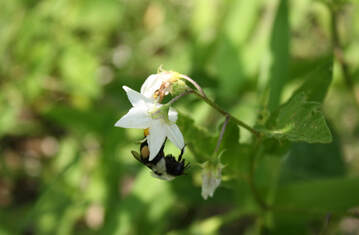
I found my first bumble bee buzzing around a batch of Carolina Horsenettle (Solanum carolinense). Even though I’d practiced swinging the insect net, my antics that morning were not very graceful. My feet were balanced on a narrow ridge while trying to capture the bee. I got her but nearly fell face-first into the thorny horsenettle. Luckily, I was spared that painful experience.
Have you ever tried to corner an angry bumble bee inside a net and then coerce her into a small bottle? I finally figured it out after losing my first victim and attempted it again with a second one. At least ten bumble bees were buzzing around the horsenettle, so I didn’t totally lose out on my capture. Thank goodness.
After icing them in the cooler, doing the photography was another learning experience. At first, I didn’t have the bumble bee chilled enough, and she flew off before I finished taking her pictures. I had to go back to the horsenettles and get another bumble bee. Eventually, I got the hang of it and completed my task. The pictures weren’t the greatest, but I’ll improve with more practice.
It took a little longer than expected to complete the survey and do the paperwork, but it was worth it. The best part of my adventure was knowing I was accomplishing my goal and doing something that would make a difference. There’s no better way to spend a day!
If you’re interested in participating in the Xerces Society’s Bumble Bee Atlas, check out their webpage for more information. If the BBA is not active in your state, you can still photograph and submit your pictures of bumble bees to Bumble Bee Watch. That’s how I got started. Good luck!
The Southeastern Bumble Bee Atlas (SEBBA) got off the ground in Tennessee, Georgia, and the Carolinas earlier this year. After completing my training through an online workshop and gathering all the necessary supplies, I set out on my first survey on a hot summer morning.
I found my first bumble bee buzzing around a batch of Carolina Horsenettle (Solanum carolinense). Even though I’d practiced swinging the insect net, my antics that morning were not very graceful. My feet were balanced on a narrow ridge while trying to capture the bee. I got her but nearly fell face-first into the thorny horsenettle. Luckily, I was spared that painful experience.
Have you ever tried to corner an angry bumble bee inside a net and then coerce her into a small bottle? I finally figured it out after losing my first victim and attempted it again with a second one. At least ten bumble bees were buzzing around the horsenettle, so I didn’t totally lose out on my capture. Thank goodness.
After icing them in the cooler, doing the photography was another learning experience. At first, I didn’t have the bumble bee chilled enough, and she flew off before I finished taking her pictures. I had to go back to the horsenettles and get another bumble bee. Eventually, I got the hang of it and completed my task. The pictures weren’t the greatest, but I’ll improve with more practice.
It took a little longer than expected to complete the survey and do the paperwork, but it was worth it. The best part of my adventure was knowing I was accomplishing my goal and doing something that would make a difference. There’s no better way to spend a day!
If you’re interested in participating in the Xerces Society’s Bumble Bee Atlas, check out their webpage for more information. If the BBA is not active in your state, you can still photograph and submit your pictures of bumble bees to Bumble Bee Watch. That’s how I got started. Good luck!

 RSS Feed